
A Step-By-Step Guide to Keeping Your New Space Affordable

In this post, I’ll guide you through every step of the process of budgeting for interior design. While budgets aren’t as exciting as choosing the perfect sofa, they are absolutely essential. A successful home project doesn’t leave you strapped for cash. Read on for our step-by-step guide to setting your budget. Once you’ve got this down, you’ll be well on your way to the space of your Pinterest dreams.
RELATED: How Much Does it Cost to Paint Kitchen Cabinets?
RELATED: How to Determine Your Kitchen Remodeling Budget
How to Create a Design Budget
From home design magazines to Pinterest, there’s no shortage of inspiration out there. Looking at a perfectly styled room can lead to all sorts of remodel dreams. If you’ve ever found yourself wondering what it’d be like to do a design update, you’re not alone. Sometimes the trickiest part to taking the leap on a home project is knowing just how much it will cost you. Most of the time, it’s a challenge understanding what things will cost and how to allocate your money.
Step #1: TAKE INVENTORY & IDENTIFY YOUR DESIGN PURPOSE
Before stepping foot into a design consultation, you’ve got to decide what your design goals are. Take inventory of what you have and determine what you want to keep, add, change, or eliminate. Consider how you use the space. Do you need more areas dedicated to function (think built-in storage solutions and kid-friendly mudrooms). Or are you looking to simply modernize what you already have (think updated furniture, artwork, or fixtures)? Once you know what you want, then you can start the creative process.

RELATED: Insider Tips on Luxury Vinyl Flooring
Step #2: CREATE A WISH LIST
Next up is the step everyone loves – creating a wish list. It’s the very first step in budgeting for interior design. Whether you’re pulling ideas together on a Pinterest or making a mood board with magazine cutouts, this part is about narrowing down your vision. What elements are you drawn to, and which colors or styles do you tend to re-pin again and again? By taking the time to make tangible your ideal design, your designer will be able to customize your project accordingly.

RELATED: Interior Design Styles Beyond Modern Farmhouse
Step #3: BE SPECIFIC & HONEST ABOUT WHAT YOU WANT TO SPEND (AND DON’T FORGET TO FACTOR IN DESIGNER FEES)
Once you’ve identified your design purpose and style components, it’s time to get practical. As hard as it is to talk about money, you need to be specific about what you will spend. A ballpark estimate won’t do when budgeting for interior design. If things aren’t concrete and you haven’t set a hardline spending limit, going over budget is a definite possibility. Don’t worry about knowing exact prices for things, though – we’ll help you decide where best to allocate your funds. What‘s important is having a clear budget so we can help you achieve your goals. Don’t forget to factor in your designer’s fees, too. While hiring a designer is an upfront cost, it saves you money in the long run. Helping you avoid those extra charges and fees that can add up without a plan in place.

RELATED: Stunning 90s Home Kitchen Updates (Before and After)
Step #4: REVISIT YOUR WISH LIST & DETERMINE YOUR PRIORITIES
Got your budget in place? Then the next step is to revisit that wish list to separate your wants and needs. What are your must-haves on your project that you can’t live without? What can you find a less expensive substitution for? Outlining your priorities will help you to stay focused on the larger goal. Remember – your wish list is your inspiration, not the be all end all.

Room-by-Room Budgeting Examples – Budgeting for Interior Design
When creating a design budget, breaking your home down by room is one of the smartest ways to keep things clear and manageable. Every space has a unique function and design opportunity, and assigning a dedicated portion of your project budget to each space allows for better control and fewer surprises.
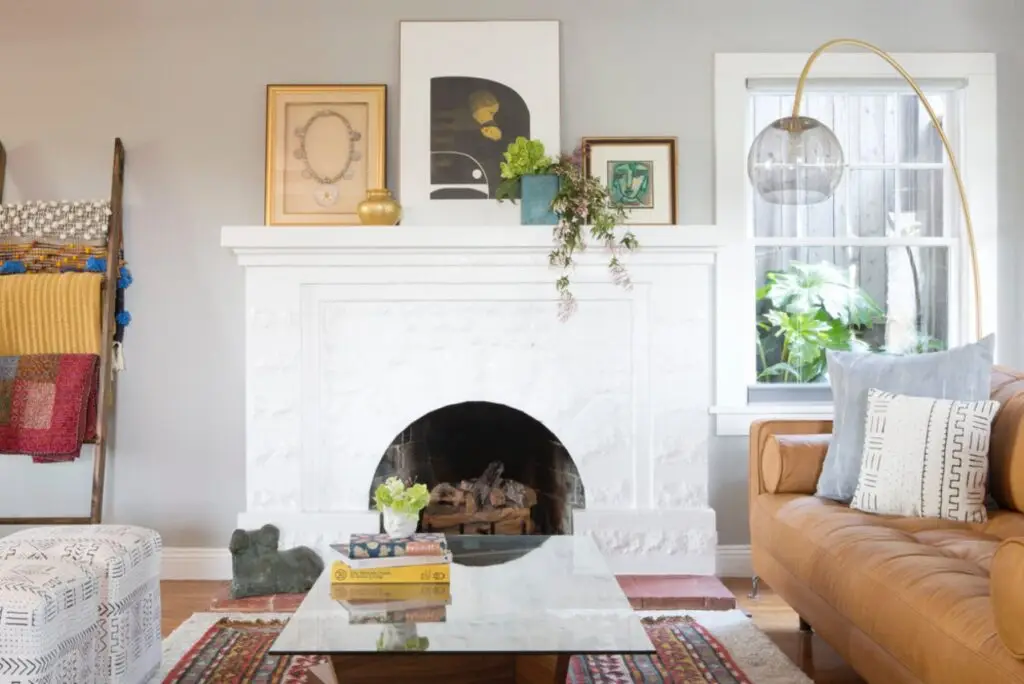
Living Room: Comfort and Style at the Heart of the Home
The living room is often the largest shared living space in your home, making it one of the most important areas to prioritize. It’s where you’ll entertain guests, unwind at the end of the day, and often, where you’ll make your first impression. That’s why a thoughtful layout and high-impact investments matter.
Key Budget Items:
- Sofa or sectional: $2,000–$6,000
- Area rug: $500–$2,000
- Accent chairs: $800–$1,500 each
- Lighting (floor lamps, sconces, overhead): $300–$1,000
- Custom window treatments: $1,000+
Your floor plan should allow for good flow, clear pathways, and plenty of seating. Start with core pieces—your sofa, chairs, and rug—then layer in personality with textiles, art, and lighting.
On a realistic budget, you can still achieve a polished look by mixing new furniture with well-chosen flea market or vintage finds. A secondhand console table paired with a modern mirror, for example, can look high-end with the right styling.
Dining Room: Understated but High-Impact
The dining room can easily be overlooked, but even minor upgrades here can dramatically change the experience of mealtime and hosting. Whether it’s a casual eat-in kitchen setup or a more formal space, investing here can go a long way.
Key Budget Items:
- Dining table and chairs: $2,500–$8,000
- Statement chandelier: $500–$3,000
- Rug (optional): $600–$1,800
- Paint or wallpaper: $300–$1,200
If your overall budget is limited, skip the rug or delay wallcovering and focus on chairs and lighting first. Lighting—especially a chandelier or pendant—can become a true focal point.

Home Office: A Worthwhile Investment in Productivity
A well-designed home office supports focus, comfort, and creativity. And in today’s hybrid work culture, this space is more essential than ever.
Key Budget Items:
- Desk: $600–$3,000
- Ergonomic chair: $500–$1,200
- Storage or built-ins: $1,000–$4,000
- Lighting + decor: $500–$1,500
Here, investing in an ergonomic chair and thoughtfully scaled desk should be your first step. Good lighting and clutter-free storage will support your workflow and improve daily efficiency.

Breaking Down the Interior Design Process & Design Fees
One of the biggest hesitations people have about hiring a professional interior designer is uncertainty around the process and cost. But in reality, the design journey is incredibly collaborative and flexible to your scope of the project and price range.
What the Design Process Really Looks Like
1. Consultation
The first step is always discovery: what’s your vision, what’s not working, and what’s your dream outcome? This sets the tone for the rest of the design process.
2. Space Planning & Floor Plan
The floor plan ensures that every piece fits comfortably and functionally in your space. This step prevents missteps like buying a too-large sofa or poorly scaled dining set.
3. Concept & Color Palette
This is where mood boards, fabric swatches, and a color palette come into play. It’s a visual roadmap that defines your home’s personality.
4. Selections & Sourcing
From materials to furniture, your designer presents curated options tailored to your needs, budget, and timeline.
5. Procurement & Installation
Finally, everything is ordered, tracked, and installed with attention to detail. Your designer handles logistics so you don’t have to.
Understanding Interior Design Fees
Design fees vary depending on the designer, your project scope, and the services needed. Here are the most common models:
- Flat Fee: Great for well-defined projects like a single room makeover.
- Hourly: Ideal for design consulting or when the project is more open-ended.
- Percentage of Budget: Usually 10–25% of your overall budget, which includes furnishings and materials.
Design fees pay for your designer’s years of experience, time, trade access, and ability to help you avoid costly mistakes.

The True Cost of a Beautiful Home—and How to Prioritize Spending
No matter your budget template or price range, the key to success is understanding where your money will make the biggest impact.
Where to Invest
- Core furniture pieces: Sofas, beds, dining chairs—items that get daily use and affect comfort.
- Window treatments: Often overlooked, they’re essential for softness, light control, and privacy.
- Lighting: The right light fixtures add drama and sophistication while defining zones in your floor plan.
Investing in quality here means you won’t need to replace items quickly—saving money long-term.
Where to Save
- Decorative accessories: These are easily swapped with the seasons and don’t need to be expensive.
- Flea market treasures: A vintage lamp or quirky accent table adds personality at a fraction of the cost.
- Rugs and art: Beautiful budget options exist at Home Goods, Target, and Wayfair—just be strategic about scale and placement.
Remember, a home with a mix of real world price points often feels the most personal. Balance high and low, and stay focused on your project scope
Pin this for Easy Reference:

4. Using a Budgeting for Interior Design Template to Stay on Track
A budget template is your anchor throughout the design process. It helps keep expectations aligned, tracks your spending, and protects against surprises.
Include These Core Categories:
- Labor costs: Installers, painters, contractors
- Design fees: As outlined by your designer
- Materials: Flooring, tile, paint, hardware
- Furniture and decor: Every item from your sourcing list
- Contingency fund: Typically 10–20% to cover unexpected changes or price increases
Use real quotes where possible, not ballpark guesses. Having real numbers helps you avoid disappointment and keeps your project budget grounded in reality.
Budgeting for Interior Design Template

Interior Design Budget Template
Buy Now
Transform your interior design business with our meticulously crafted Interior Design Budget Sheet Template. Tailored for professional use, this fully editable budget spreadsheet template, available in both A4 and US Letter sizes, empowers interior designers to seamlessly present project pricing, construction budget, and detailed budget planning.
Creating a Home You Love Starts With a Thoughtful Budgeting for Interior Design
At the end of the day, a design budget isn’t about restrictions—it’s about setting yourself up for success. Whether you’re refreshing a home office, updating your dining room, or transforming your entire living space, your budget is your guide.
It empowers you to make smart choices, understand your actual costs, and bring your vision to life with confidence. With a strong starting point, clearly defined project scope, and the help of a trusted designer, you’ll be able to avoid common pitfalls and focus on creating a beautiful home that fits your style—and your life.
Interior design isn’t just about finishes and furniture. It’s about crafting a space that supports your everyday routines, reflects your personality, and grows with you over time. And that journey begins with budgeting well.





11 Responses
Hi Carla ~
This is a wonderful post with great information in it about how to keep your remodel affordable! Something every homeowner, no matter their budget, wants to do.
Thank you so much, Leslie!
Wonderful and easy to
Follow advice!
Thank you so much, Linda!
Carla-What great advice! It’s important to have a budget and clear goals for your remodel.
Thank you, Lisa!
Great advice! I use the same tips in my course!
Thanks so much Julie!
Great advice, Carla! Having a realistic budget and a prioritized wish list are so important to staying on track!
Wonderful post. It is always important to have a good plan to start with and a clear idea of a budget before you purchase or pay for anything. Love the idea of dream first and then adjust to make it work.
So logical and clear! This is a great breakdown.